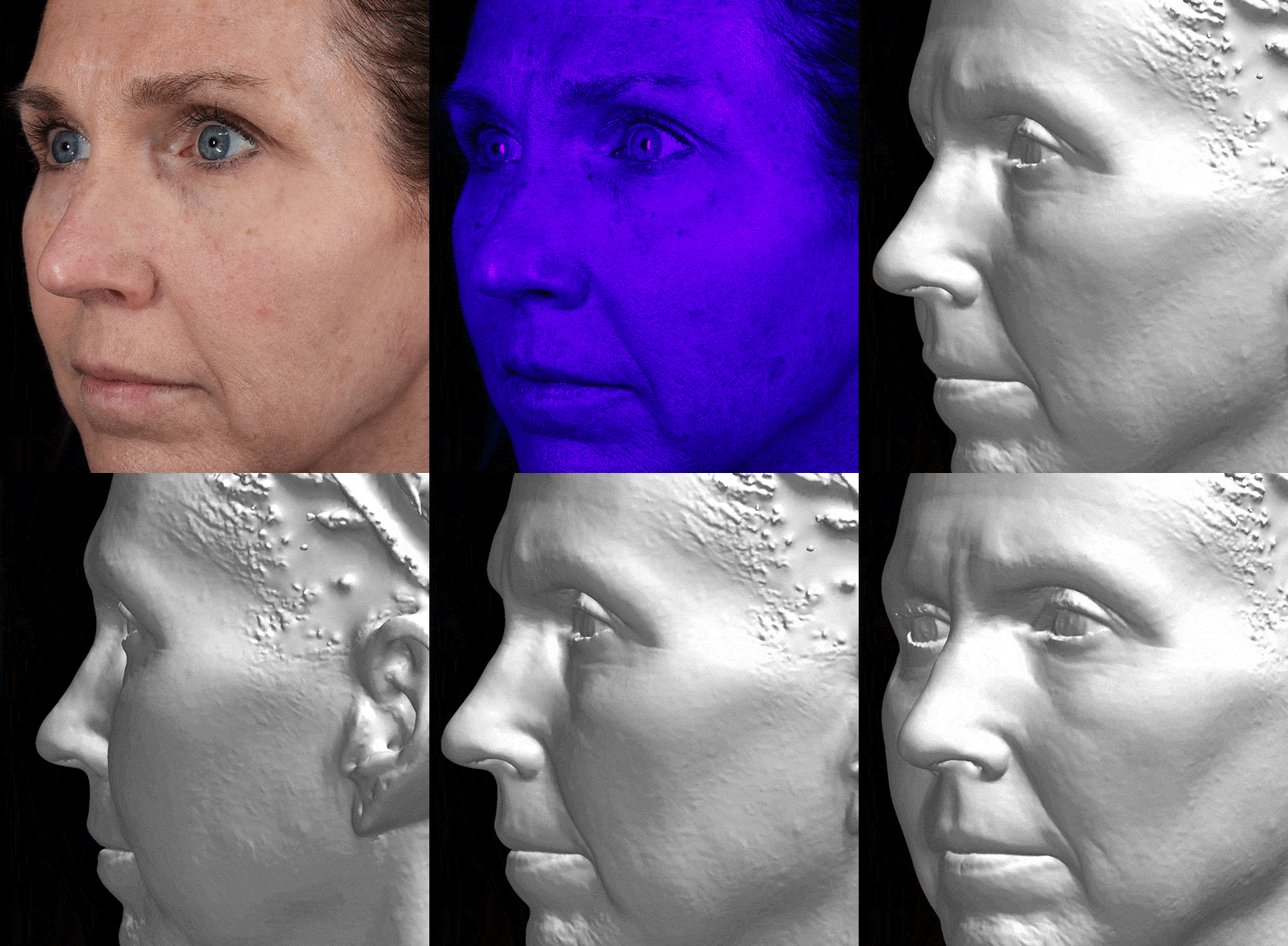
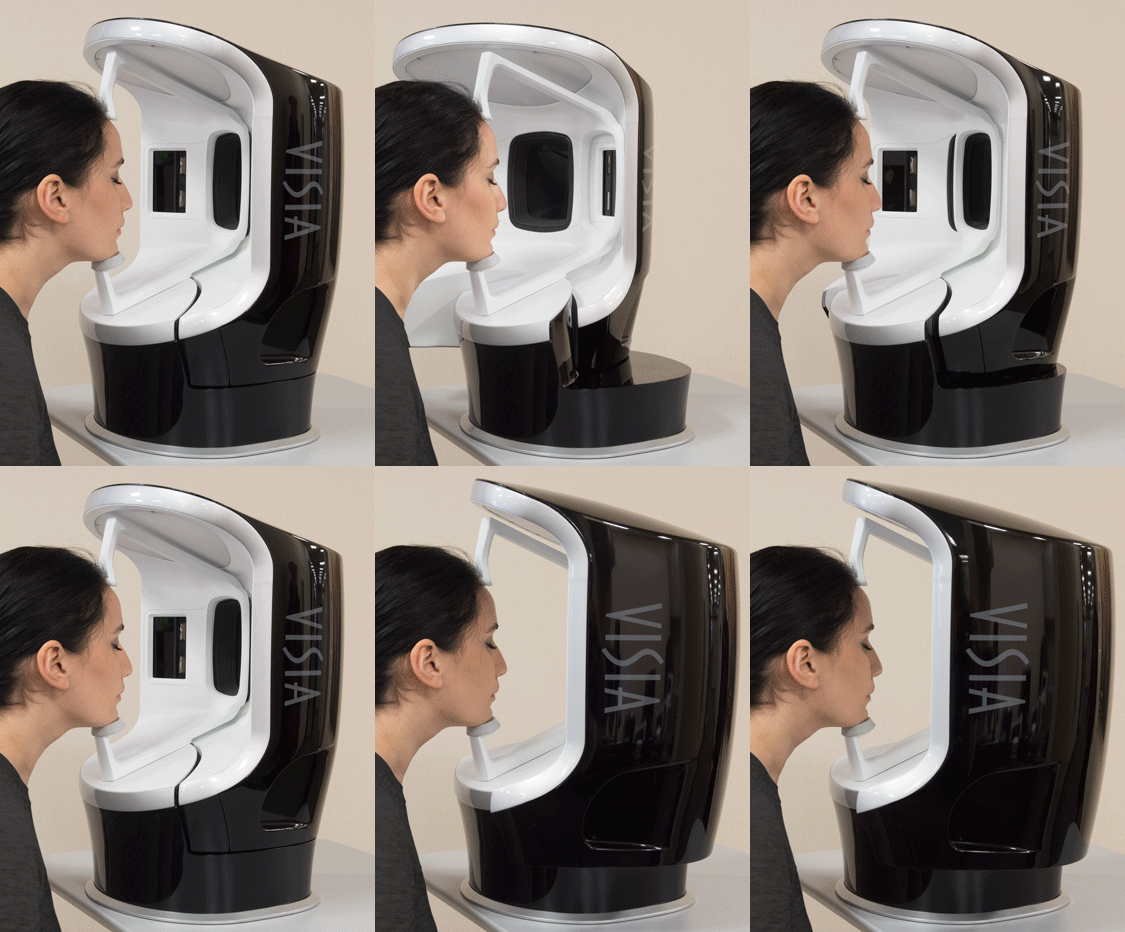
How to Understand Your VISIA Skin Analysis Results
Your VISIA analysis provides a detailed look beneath the surface of your skin. It evaluates multiple categories that contribute to skin health and aging. Each category is shown with a score and percentile rank to help you understand how your skin compares to individuals of the same age and skin type.
A higher percentile is better and means your skin is performing better than a larger percentage of your comparison group with the exception of the porphyrin category in which case lower percentiles are favored. Over time, we aim to see your percentile scores rise as treatments and skincare take effect.
-
![]()
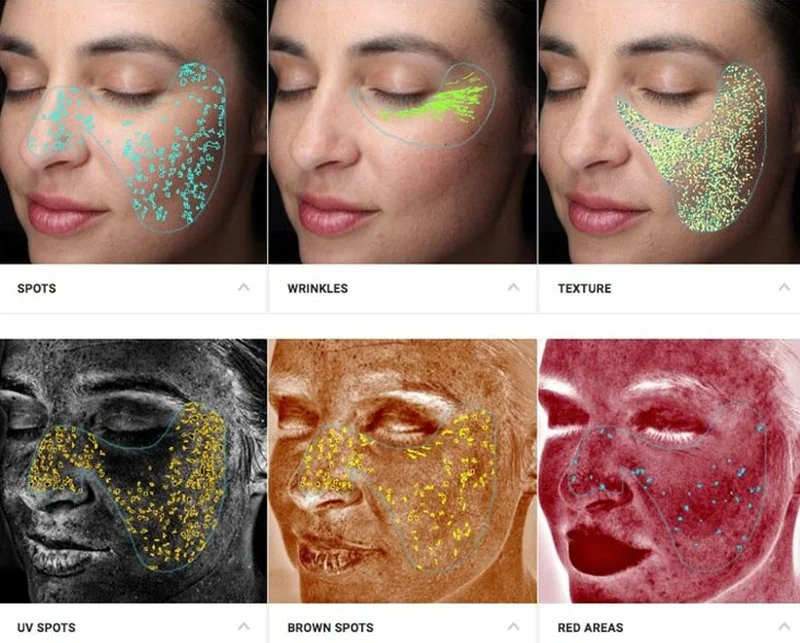
Spots
This score reflects the total quantity of visible and subsurface spots. Spots are distinguishable by their distinct color and contrast from the background skin tone.
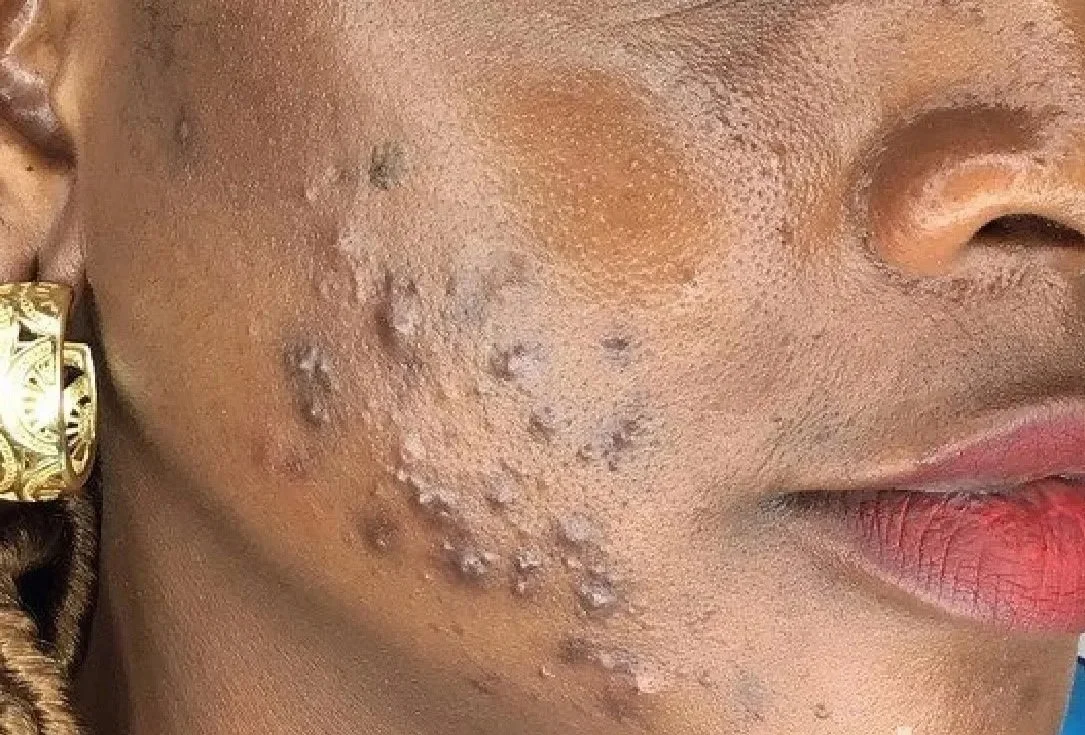
Spots reflect freckles, pigmentation, acne marks, sun spots, and dermatosis papulosa nigra (tag like growths in skin of color). Your overall spot score takes into account your UV spots and brown spots.
What it means: Elevated spots may indicate sun damage, pollution exposure, or prior inflammation.
What it tells us
Past UV exposure, inflammation, and melanin activity.
How we improve spots
Daily broad-spectrum sunscreen and brightening topicals
Prescription brighteners tailored to your specific skin type and results
In-office: chemical peels, LaseMD and percutaneous collagen induction procedures such as microneedling and microinfusion
-
![]()
UV Spots
Sun-induced damage beneath the surface that may not be visible yet.
What it tells us
Cumulative sun exposure and future pigmentation/aging risk.
How we improve UV spots
Daily SPF with zinc oxide 30–50+ with reapplication
Antioxidants: topical vitamin C
Supplements: oral polypodium leucotomas
LaseMD fractional laser
Sun-protective behaviors (hats, shade, avoidance, UPF clothing)
-
![]()
Brown Spots
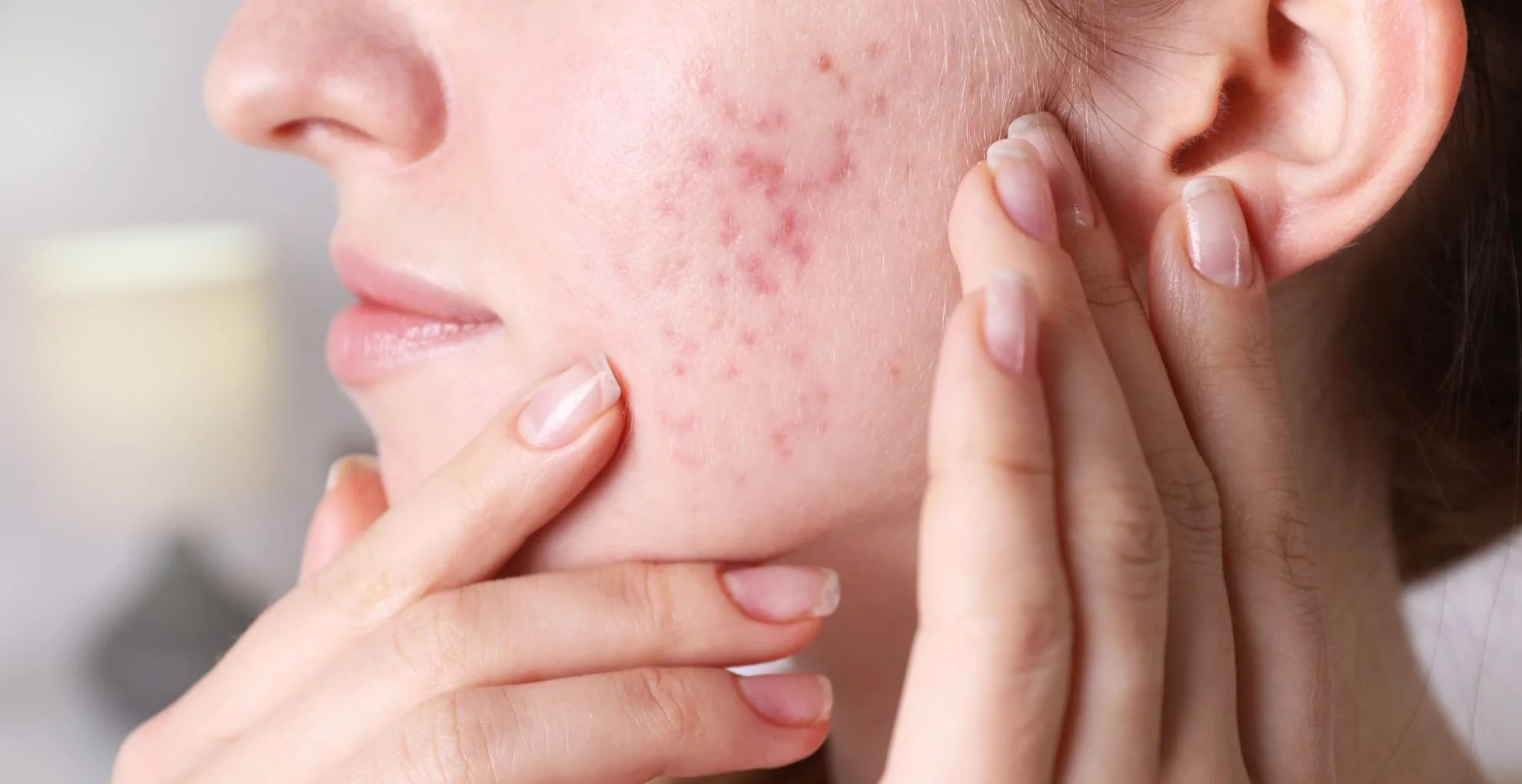
Deeper pigment disorders such as melasma and post-inflammatory hyperpigmentation (i.e. dark spots).
What it tells us
Melanin overproduction and pigment pathway overactivity.
How we improve brown spots
Treat underlying cause (i.e. acne management for dark spots due to acne)
Prescription compounded brightening topicals (customized for you)
Gentle resurfacing with brightening chemical peels: glutathione containing perfect peel, code peel and more..
Tranexamic acid (topical or oral when appropriate) -
![]()
Texture
Smoothness and evenness of the skin’s surface.
What it tells us
Acne scarring, trregular cell turnover, dryness, congestion, and early aging changes.
How we improve texture
Gentle exfoliation (AHAs/BHAs)
Hydrating barrier-supportive skincareMicroneedling with platelet rich fibrin, Laser resurfacing / fractional treatments with LaseMD
-
![]()
Pores
Size and visibility of pores across different facial zones.
What it means: Enlarged pores are usually related to oil production, congestion, and loss of elasticity.
Our goal: Improve pore appearance by treating oil control, exfoliation, and dermal support.
Pores
Size and appearance of pores on the surface.
What it tells us
Oil production, congestion, and elasticity levels.
How we improve pores
Pore-refining topicals: prescription retinoids
Oil control cleansers with AHA/BHAs
Botox microinfusion, skinpen microneedling. chemical peels and resurfacing LaseMD for improved support around pores
-
![]()
Red Areas
Visible vessels, background redness, or inflammation (including rosacea).
What it tells us
Vascular changes, sensitivity, or chronic inflammation.
How we improve red areas
Barrier repair: ceramides Sente Dermal Repair Cream, non-irritating routines
100% mineral sunscreen SkinBetter Science sunbetter TONE SMART SPF 75 Sunscreen Lotion
Custom blended prescription anti-inflammatory topicals (with azelaic acid and metronidazole)
Identifying and avoiding triggers
-
![]()
Porphyrins
Porphyrins are fluorescent biomarkers produced by Cutibacterium acnes (C. acnes) — the primary bacteria involved in acne formation. VISIA uses UV-fluorescence to detect these deposits deep within pores before breakouts become visible on the surface.
What it tells us
Porphyrins reveal:
Areas where C. acnes is proliferating inside congested pores
Hotspots for future breakouts
Underlying inflammation not yet seen clinicallyBiofilm activity that can lead to cystic acne if untreated
Why it matters in dermatology
A high porphyrin score often indicates:
Increased sebum (oil) production
Delayed cell turnover and pore clogging
Higher risk for inflammatory acne and scarring
A lower porphyrin score means:Clearer pores
Balanced microbiomeHow we reduce porphyrins (and C. acnes activity)
Professional acne-focused skincare routines (retinoids, benzoyl peroxide, salicylic acid), skinbetter alpharet acne collection
Laser based acne therapies to target bacterial overgrowth such as the Aerolase
Lifestyle optimization when relevant (friction, makeup habits, humidity)
-
![]()
Wrinkles
Wrinkles are a visible marker of how your skin has responded to time, movement, and the environment. VISIA detects both current lines and the micro-wrinkling that signals future collagen breakdown — often before they appear in the mirror.
What wrinkles represent
They are the end result of multiple biological processes, including:
Collagen decline — a natural reduction in structural support fibers
Elastin fiber fatigue — diminished ability of skin to snap back
Dynamic motion — repetitive facial expression lines becoming permanent
Photoaging — UV and visible light accelerating skin thinning and creasing
Dehydration and barrier fragility — surface dullness and exaggerated lines
Wrinkles reflect the health and resilience of your deeper dermal architecture.
What VISIA measures in the Wrinkles category
Length, number, and depth of etched lines
Areas most impacted by repetitive movement (e.g., crow’s feet, glabella)
Where prevention can be targeted before permanent creases form
What higher wrinkle scores mean
A higher percentile indicates:
Stronger collagen integrity
Better repair and defense pathways
Youthful structural support
A lower percentile highlights opportunities to preserve and rebuild.How to reduce wrinkles:
Neuromodulars and tightening procedures
-
![]()
Your Skin Age
An estimate of your skin’s biological age vs your chronological age.
What it means:
Your TruSkin Age evaluates how your skin is biologically aging compared to your actual age. It synthesizes your data across multiple categories — pigmentation, wrinkles, texture, vascularity, and UV-related change — to project how youthful your skin appears on a cellular and structural level.
What it tells us
This number reflects collagen strength and density, fine line and wrinkle formation, clarity and brightness of complexion, skin barrier function and hydration quality, under-surface sun damage and pigmentation risk, overall resilience to environmental stressors
A younger TruSkin Age means your skin is aging more slowly than expected. A higher TruSkin Age highlights where we can optimize your routine early, rather than waiting for these changes to become visible.